


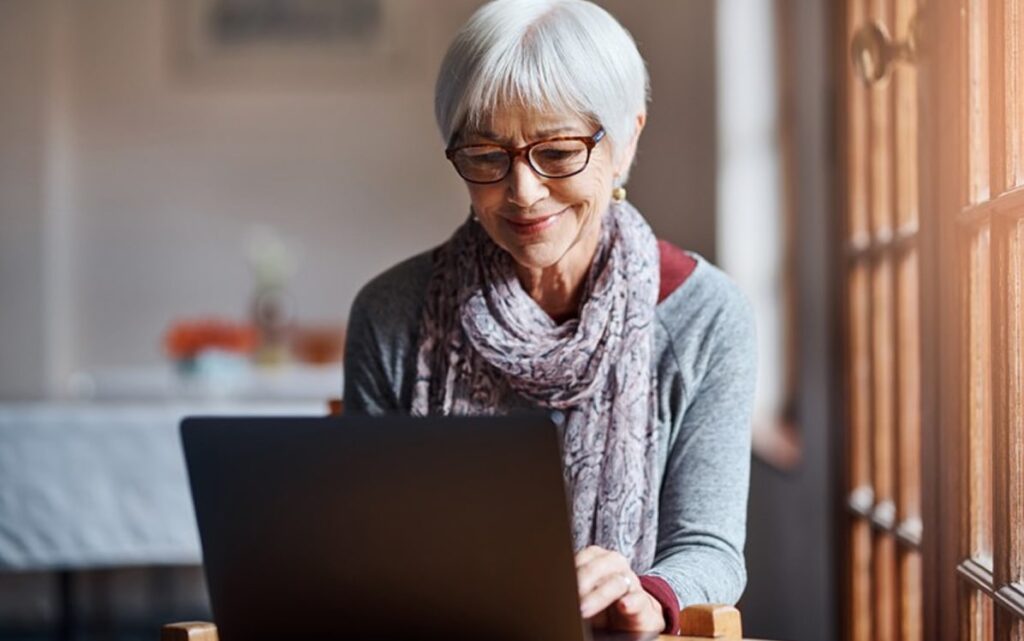
“Being online brought me new friends — now I go out more than I did before.” — Ravi, 77
As services, news, and conversations move online, digital skills have become part of daily life. For older adults, they support connection, independence, and well-being. This post highlights the benefits and offers simple first steps.
Connection keeps us well
Regular contact with friends and family lifts mood and reduces loneliness. Video calls, private messages, and photo sharing make it easy to stay close, even when travel is difficult. Local groups also organise meet-ups and volunteering through simple online tools.
Health and self-care
Digital tools help you track appointments, medicines, and activity. Many clinics now offer online check-in and secure messaging. Reliable health websites and apps can support daily routines, but they do not replace advice from your doctor.
Everyday independence
Simple digital tasks save time and effort:
Learning keeps the mind active
Lifelong learning builds confidence and keeps the brain engaged. Short online courses, language apps, and creative tutorials are easy to try and can be done at your own pace.
Try these first steps
Pick one to do this week:
Final thoughts
Digital skills are not about gadgets for their own sake. They are about relationships, health, safety, and everyday independence. Start small, practise often, and ask for help when you need it. Each step builds confidence and keeps you connected to what matters.