


Artificial intelligence is often discussed in terms of productivity, automation and new technology. But researchers are also exploring a more human question: could AI help older people feel less isolated and more connected?
This question matters. The World Health Organization identifies loneliness and social isolation as important risk factors for mental health in later life. As populations age, finding ways to support social connection, independence and wellbeing is becoming increasingly important. By 2030, one in six people worldwide is expected to be aged 60 or over.
A recent piece of research highlighted by EPALE – the Electronic Platform for Adult Learning in Europe offers an interesting contribution to this discussion.
The systematic review, published in The Gerontologist and highlighted by EPALE in August 2026, examined 19 studies looking at AI-based interventions and loneliness among older adults. The studies used recognised measures of loneliness and covered different forms of AI-enabled technology.
The overall findings point towards the potential of AI to support social wellbeing, connectedness and quality of life among older people. The researchers also suggest that AI could become part of wider approaches to healthy ageing and more personalised support.
AI technologies being explored in this area can include tools such as conversational systems, voice assistants and social or companion robots. Earlier research has also examined how these technologies might provide interaction, reminders, assistance or opportunities for communication for older adults.
However, this does not mean that technology is a replacement for family, friends, carers or community.
Instead, the important question is how technology can support and strengthen existing human connections.
For an older adult, AI does not necessarily mean a complicated robot or advanced computer system.
It could be a voice assistant that makes it easier to call a family member, a digital tool that helps someone communicate, technology that supports daily routines, or an AI assistant that helps someone find information or understand how to complete an online task.
Used well, these tools may help some people feel more confident and independent.
But there is an important condition: people need to understand the technology they are using.
If someone does not know what an AI system can do, what information it collects, when its answers might be wrong or what personal information should not be shared, the same technology that could be useful may instead become confusing or risky.
This is where digital and AI literacy become essential.
Providing access to technology is only part of digital inclusion.
People also need the skills and confidence to decide:
This is particularly relevant for older adults. Eurostat found that in 2025 only 33% of people aged 65–74 in the EU had at least basic digital skills, compared with around 75% among people aged 16–34.
As AI becomes embedded in more digital services, existing digital skills gaps risk becoming AI skills gaps too.
AI for Seniors (AI4S) is an Erasmus+ project working to make AI more understandable, useful and accessible to older adults.
Rather than focusing on technical theory, the project looks at how AI is already becoming part of everyday life.
AI4S is developing five practical AI learning modules covering:
The project also recognises that older adults should not be expected to navigate this change alone.
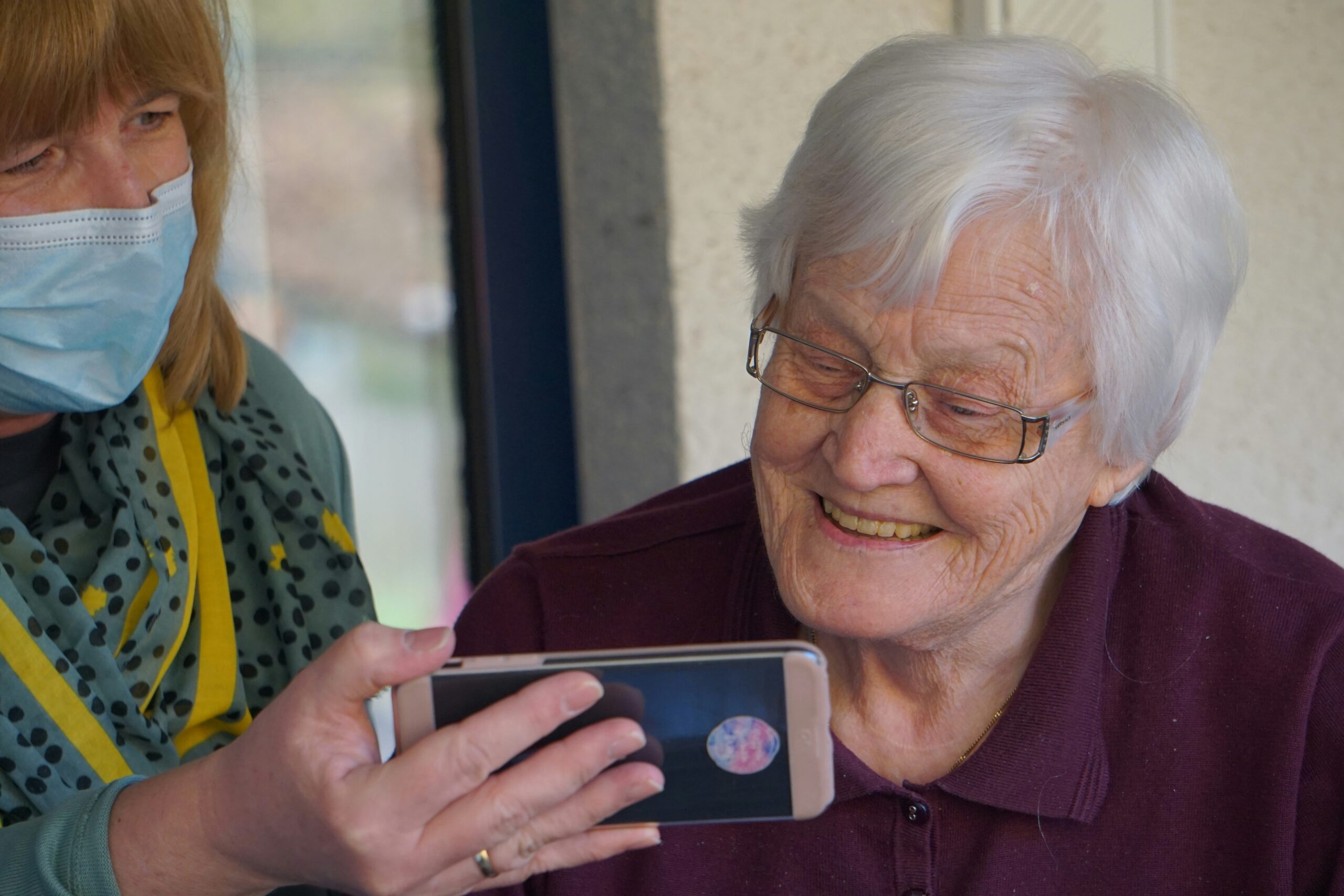
Alongside the learning modules, AI4S is developing an Adult Educator Deployer Toolkit to help educators introduce AI effectively, as well as an Inter-Generational Digital Toolkit designed to help younger people support older adults in developing AI and digital skills.
This combination is important. Learning about AI can itself become an opportunity for conversation, shared learning and connection between generations.
The emerging research into AI and loneliness is encouraging, but it should not lead us to view AI as a simple answer to a complex social issue.
Loneliness has many causes, and meaningful human relationships remain essential.
What AI can potentially do is provide another tool: helping people communicate, access services, maintain independence or feel more confident participating in an increasingly digital society.
The key is ensuring older adults are included in that transition rather than expected to adapt to it without support.
That is at the heart of AI for Seniors.
AI4S is not about turning older adults into technology experts. It is about helping people understand the technology appearing around them, use it where it adds value and make informed choices about where it belongs in their lives.
Because as AI develops, meaningful digital inclusion should mean more than simply being connected to the internet.
It should mean having the knowledge, confidence and choice to participate.